What is a blockchain network?
A blockchain network is the group of computers that run the same software, follow the same rules and keep the same copy of a blockchain. They pass transactions and blocks to each other directly, with no central server. Each network is separate, so coins sent on one network do not appear on another.
When you press send in a crypto wallet, the app hands your transaction to a computer on the network. That computer passes it to the ones it is linked to, and within seconds most of the network has it.
Those computers, and the links between them, make up a blockchain network. How it works explains why a transfer takes time, and why picking the wrong network can cost you the coins.
The parts of a blockchain network
A blockchain network is the group of computers that run the same blockchain software, follow the same rules and keep the same chain. You will meet three kinds of participant in almost every network.
- Nodes keep a copy of the chain, check new transactions and blocks, and pass valid ones on.
- Block producers are nodes with an extra job: miners on proof of work networks, validators on proof of stake networks.
- Wallets create and sign transactions, then hand them to a node.
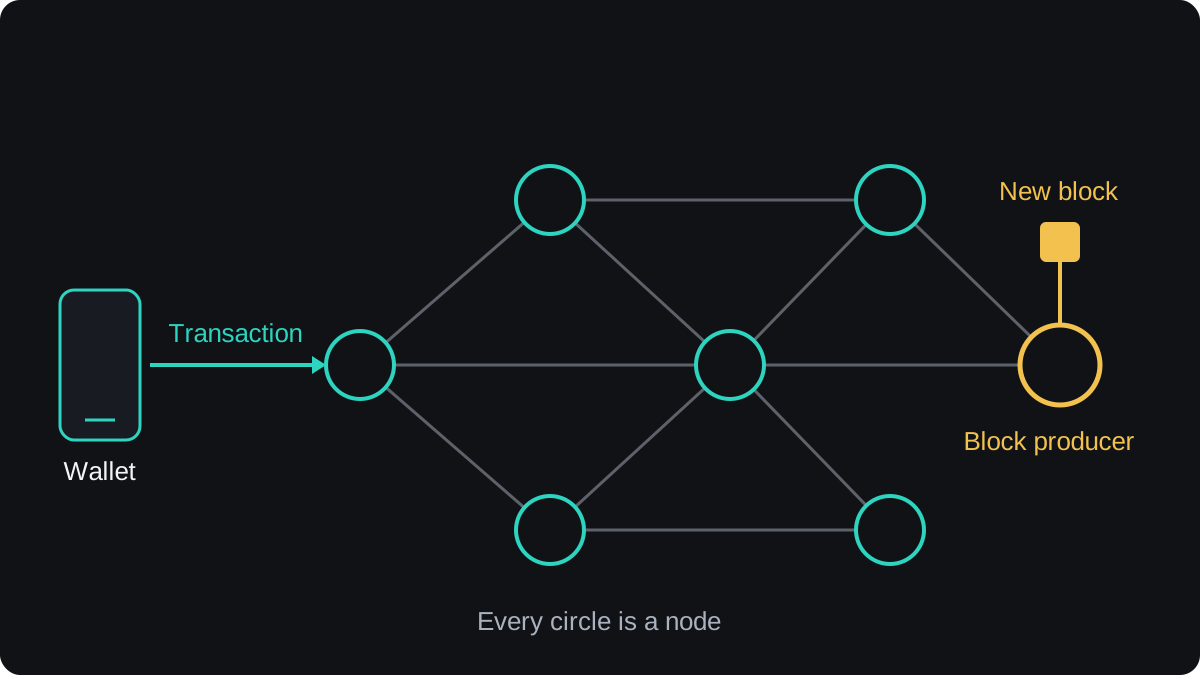
The node lesson explains the different kinds of node, and proof of work vs proof of stake explains how block producers are chosen.
Peer to peer: no server in the middle
Most apps you use talk to a company's servers. A blockchain network is peer to peer: each computer connects directly to some others, called its peers, and none of them is in charge.
If one node goes offline, its peers route around it. A new full node joins by finding a few peers, downloading the chain from them and checking every block itself before it trusts anything.
This design is why a large public network is hard to switch off. There is no head office to close and no main server to unplug.
How a transaction spreads: a worked example
Nodes spread news by gossip. Each node that receives a valid new transaction passes it to its peers, and they pass it to theirs.
Here is how fast that grows, with round numbers for illustration. Say every node passes the transaction to 8 peers that have not seen it yet.
- After 1 hop: 8 nodes.
- After 2 hops: 8 × 8 = 64 nodes.
- After 3 hops: 64 × 8 = 512 nodes.
- After 4 hops: 512 × 8 = 4,096 nodes.
- After 5 hops: 4,096 × 8 = 32,768 nodes.
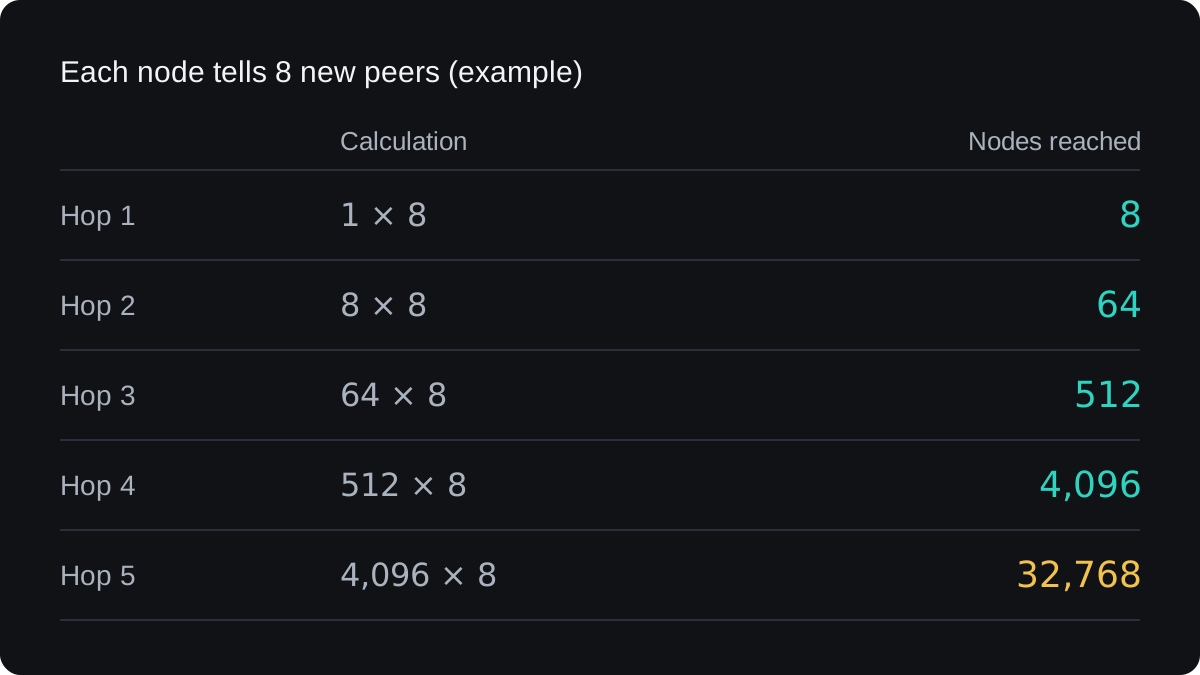
Real networks overlap, so many peers hear the same transaction twice and the growth is slower than this. It still takes only seconds.
Each node then holds the transaction in a waiting area called the mempool until a block producer includes it. New blocks spread the same way, and every node checks a block before adding it to its copy.
One chain, one set of rules
Every node in a network must run rules that agree with the others. A node that accepts a block the rest reject ends up alone on its own version of the chain.
Rules can still change. An upgrade that older software still accepts is a soft fork. An upgrade that older software rejects is a hard fork, and if part of the community refuses it, the network splits in two.
That has happened. Ethereum and Ethereum Classic split apart in 2016, and Bitcoin Cash split from Bitcoin in 2017. Each split left two networks with a shared history and separate futures.
Mainnet, testnet and separate chains
The network that carries real value is called the mainnet. Most chains also run at least one testnet: a separate practice network whose coins are not meant to have any value, so developers can try things without risking money.
Every blockchain is its own network. Bitcoin nodes do not read Ethereum's chain, and Ethereum nodes do not read Bitcoin's. A transfer on one network is invisible to every other one.
What the Bitcoin network does looks at one network in detail.
Some tokens exist on several networks at once. A stablecoin may be issued on many chains, and each version lives only on its own network.
Tools called bridges move value between networks. They hold large sums in one place, and several have been hacked.
Why the network matters when you send
When you withdraw from an exchange, you usually pick a token and then a network. Many networks use addresses that look the same, so a wrong choice does not always trigger an error.
Say a friend's wallet only watches Network A. If you send 100 tokens on Network A, they arrive.
If you send the same 100 tokens on Network B to the same address, they land on a chain the wallet never checks.
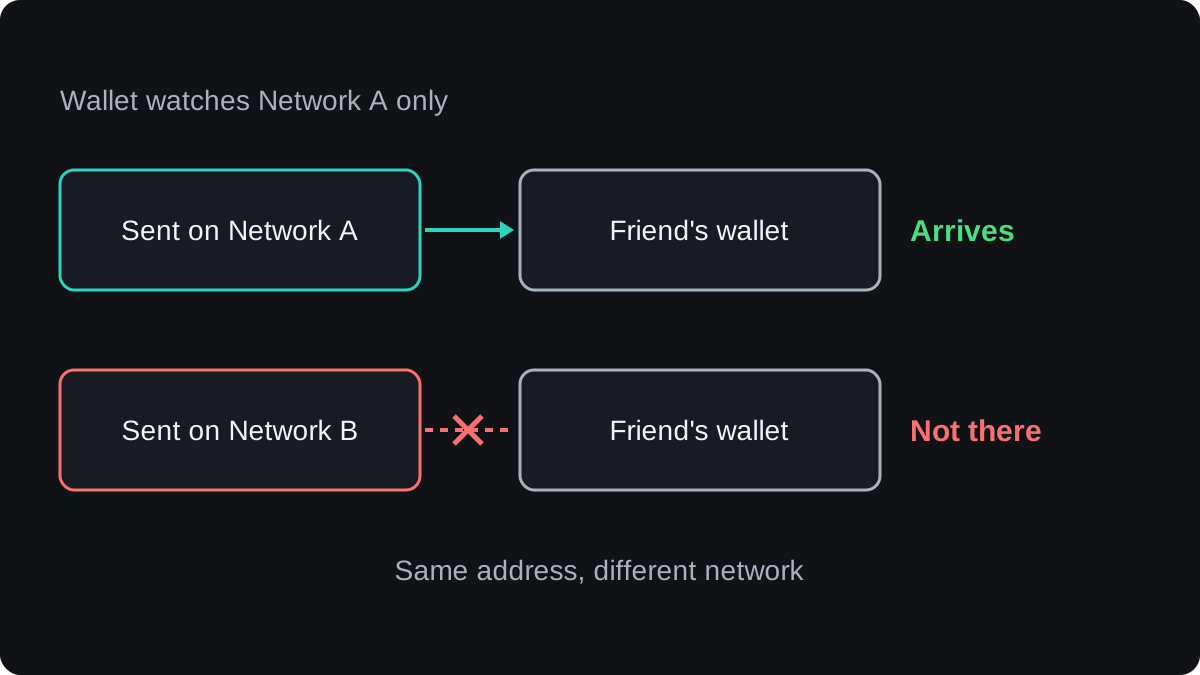
Sometimes the owner can recover such coins by loading the same keys into a wallet that supports Network B. If the address belongs to an exchange that does not support Network B, the coins may be lost.
The send and receive lesson shows how to check the network before you send.
Questions
Who runs a blockchain network?
Everyone who runs a node. On a public network anyone can join, and nobody can force the others to accept a rule they did not agree to.
Can a blockchain network be shut down?
A large public network has no central server to switch off, so shutting it down would mean stopping nodes in many countries at once. Governments can still restrict the exchanges and other businesses that connect people to it.
What is the difference between a blockchain and a blockchain network?
The blockchain is the data: the chain of blocks. The network is the computers that store that data, check it and pass it around.
What happens if I send crypto on the wrong network?
The coins land on the network you chose, which the receiver's wallet may not watch. Whether they can be recovered depends on who controls the receiving keys and whether that wallet or exchange supports the network.
Keep learning
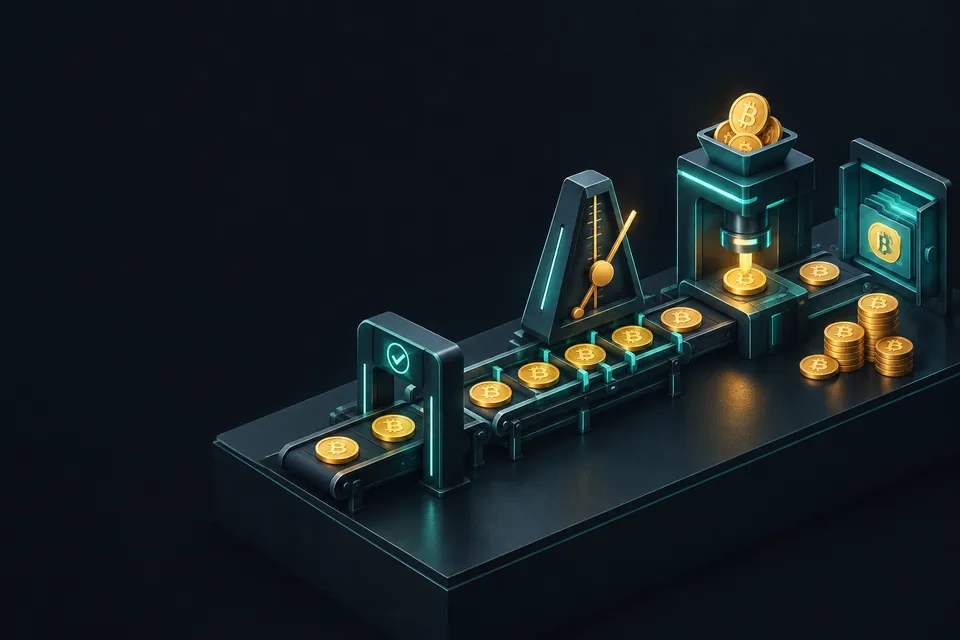 Chapter 2What does the Bitcoin network do?The Bitcoin network checks every payment against shared rules, puts valid payments in order inside a new block about every 10 minutes, adjusts how hard mining is so that pace holds, and releases new bitcoin on a fixed, shrinking schedule. No company runs it, and it does not set the price, know who you are or reverse payments.
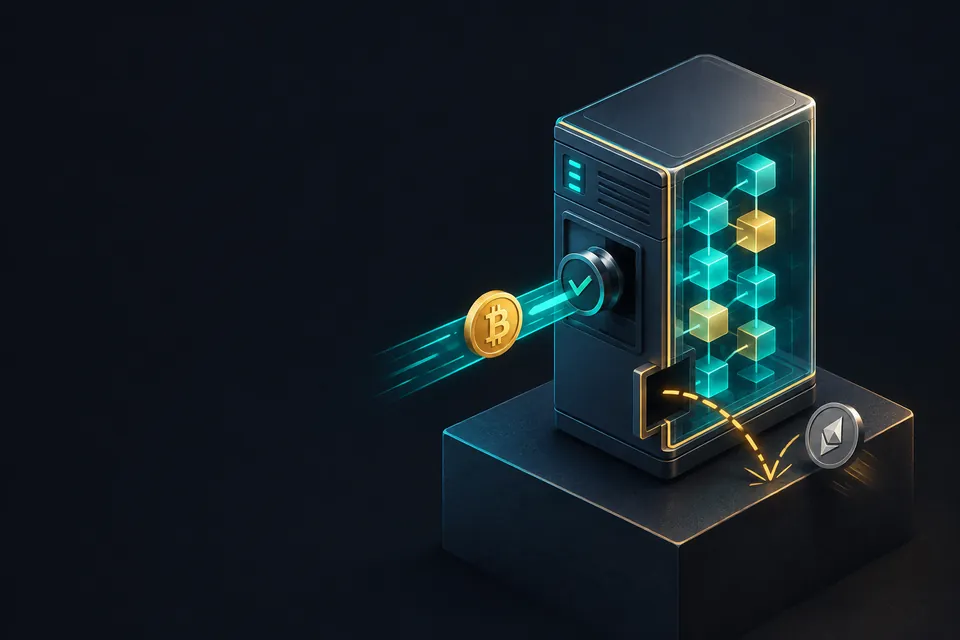 Chapter 2What is a node?A node is a computer that runs a blockchain's software and is connected to its network. A full node keeps its own copy of the chain, checks every new transaction and block against the rules, and passes valid ones to other nodes. Wallets ask nodes for balances, and miners and validators are nodes with an extra job.

